
Built for the wall's job
Boundary and retaining walls are planned around purpose, not just surface appearance.
Materials that tie in
Brick, stone and block are chosen to suit nearby paving and the property itself.
Hidden support considered
Foundations and drainage behind retaining walls are part of the plan from the start.
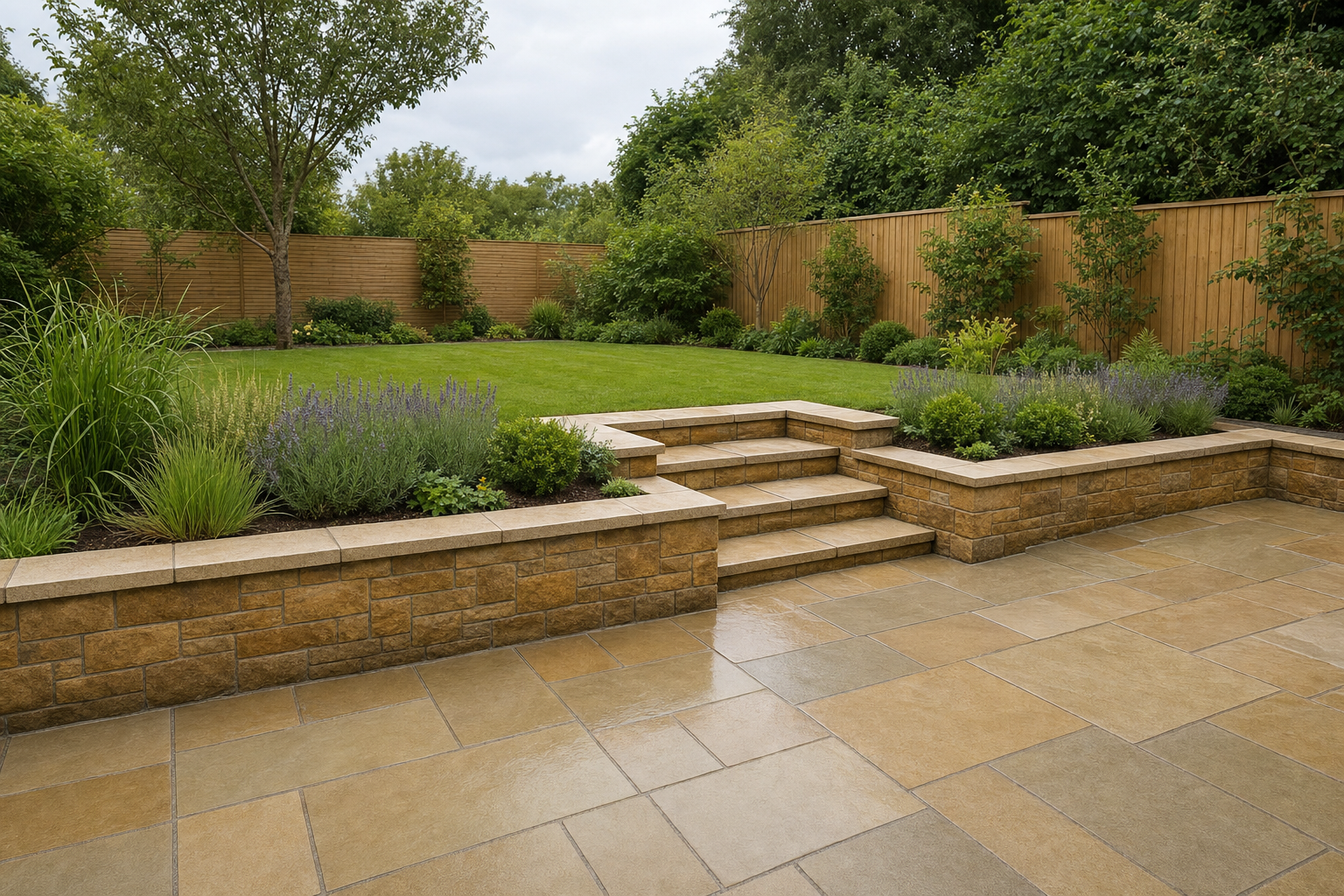
A garden wall can shape the space as much as it supports it
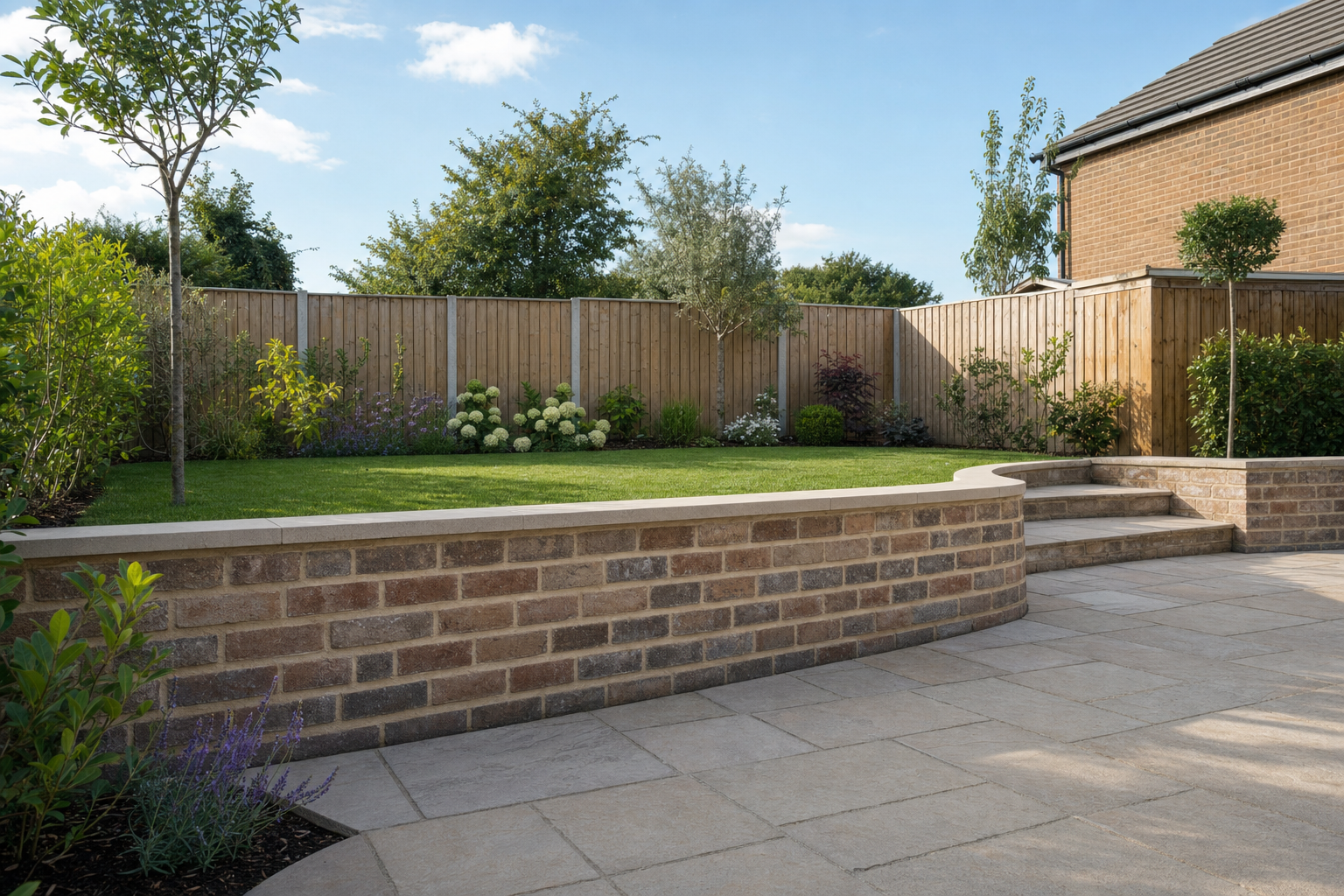
Garden walls do several jobs at once. They can hold back soil, create terraced levels, mark a boundary or help tie patios and paths into the wider layout of the garden. The trick is making sure the wall is built for what it actually needs to do, not just chosen for its face value from a distance. With Next Level Paving, garden wall construction is planned around purpose first, then appearance, so the structure has the right footing and detail for the ground conditions and load it will face. In Colchester, we build walls in brick, natural stone and concrete block, helping you compare the look, the relationship to surrounding paving and the practical fit for the site.
Foundations, alignment and drainage all need to be right
A wall that retains soil or manages a level change needs more than a straight top line. We look at layout, foundations, course alignment, coping or finishing details and the drainage needed behind any soil-retaining structure so pressure does not quietly build up where you cannot see it. Choose Next Level Paving when you want those hidden details taken seriously, especially on sites with height changes, curves, awkward corners or tight access. Wall height, loading and the way the wall meets nearby paving all affect how the job is approached, and getting that sorted at the start is far better than dealing with movement after the garden is finished around it.
Frequently asked questions
What can a garden wall be used for?
A garden wall can retain soil, form terraced levels, define a boundary or help organise the layout of an outdoor space. In many gardens it also links visually with patios, steps or paths, so it becomes both a structural feature and a finishing detail in the wider scheme.
Which wall material should we choose?
That depends on the look you want, the purpose of the wall and how it needs to sit with surrounding paving. Brick, natural stone and concrete block each bring different visual qualities and practical strengths, so we compare them against the site rather than defaulting to one option.
Why is drainage important behind a retaining wall?
If a wall is holding back soil, water pressure can build up behind it over time and weaken the structure. Planning drainage into the build helps relieve that pressure and is a key part of making a retaining wall perform properly rather than just look solid from the front.