
Layout with a purpose
Routes, levels and surfaces are planned together so the garden works as one space.
Connected construction
We build linked features in the right sequence, which helps avoid awkward rework later.
Clean finish at the end
The final tidy-up matters too, especially when the garden needs to be usable straight away.
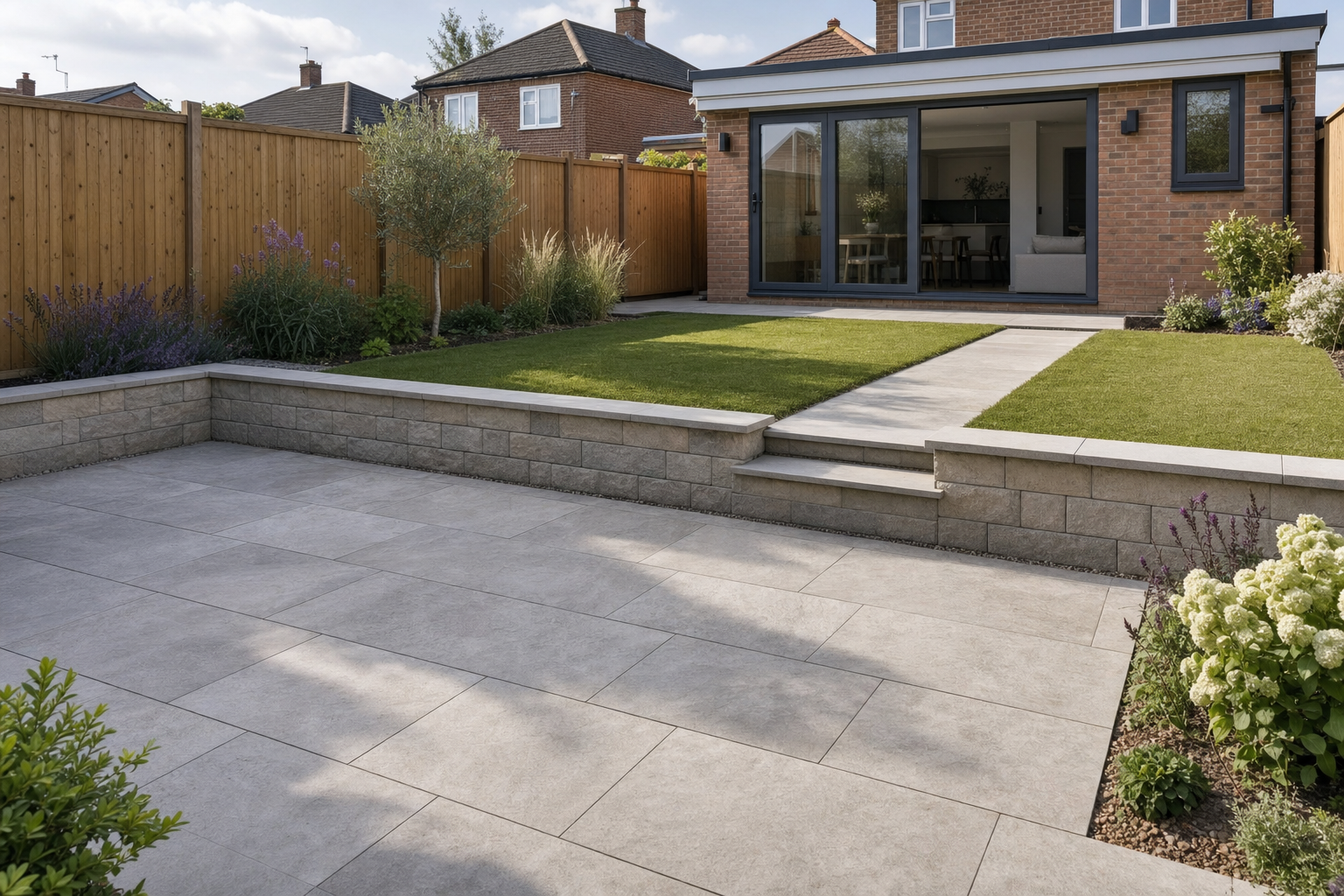
Good landscaping makes the whole space work together
Landscaping is not just about adding a new feature where there is a gap. The best outdoor spaces work because the levels, routes, boundaries and paved areas all make sense together. With Next Level Paving, garden landscaping is planned as a coordinated piece of work, so patios, walls and hard surfaces are not competing for space or built in the wrong order. In Colchester, we look at intended use, maintenance preferences, drainage, changes in level and the relationship between different areas before work begins. That helps avoid the common problem of ending up with a nice-looking section that still leaves you awkward access, muddy transitions or bits of garden that never quite get used.
From preparation to build, every stage follows the last
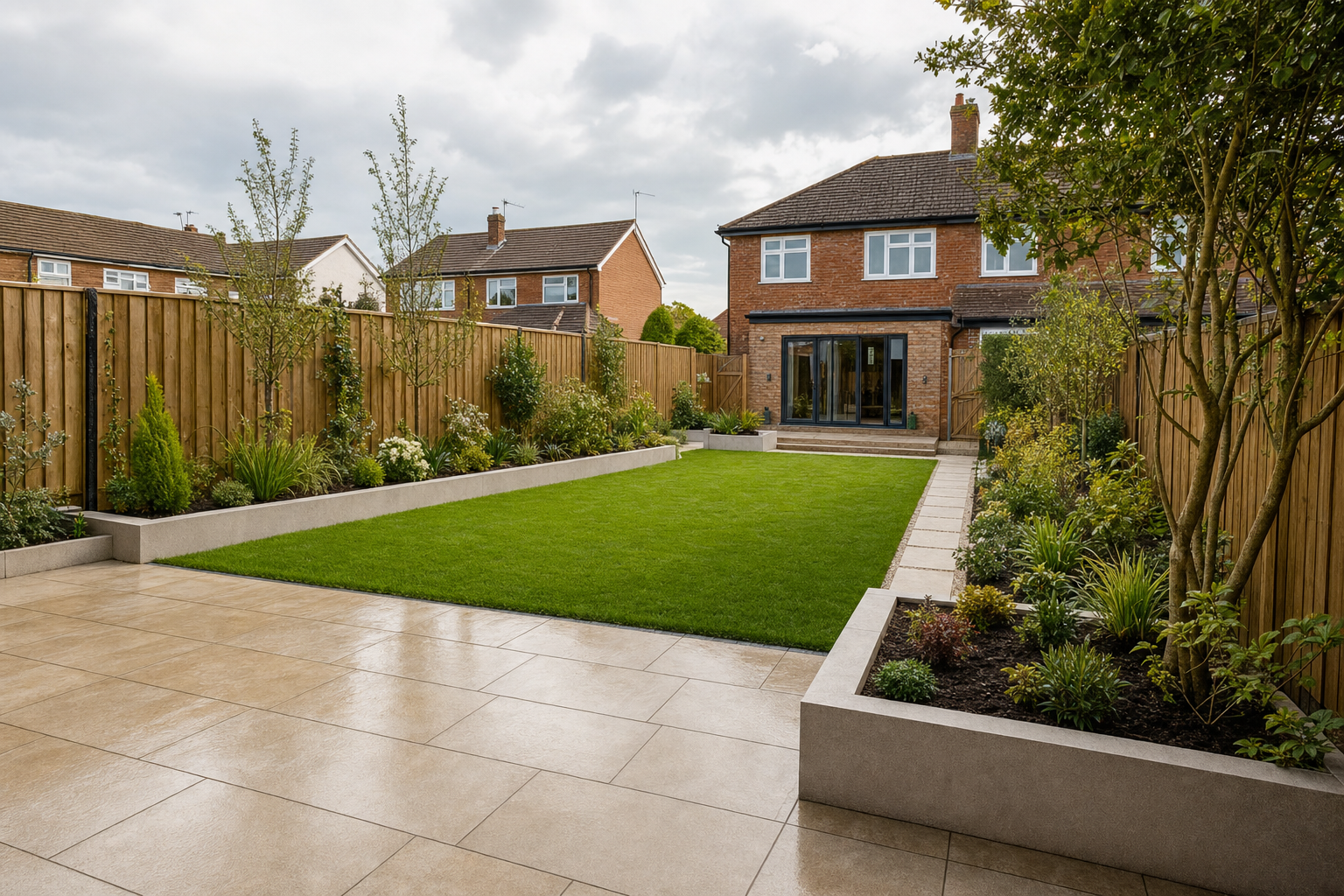
Connected outdoor work only runs smoothly when the sequencing is right. We start with design and site preparation, then move through the construction stages with a clear eye on access, materials and the way one finished surface meets the next. Choose Next Level Paving if you want that kind of joined-up thinking rather than separate jobs that leave you patching things together afterwards. Patios and garden walls can be built as part of the wider scheme, with lines and materials chosen to complement the property and one another. The job finishes with final site clean-up, because a proper landscaping project should leave the garden usable, not scattered with leftovers and loose ends.
Frequently asked questions
What does garden landscaping include on a typical project?
That depends on the site, but it often includes coordinated hard landscaping such as patios, garden walls, paved routes and other structural features. The aim is to improve the layout, usability and visual order of the outdoor space instead of changing one isolated area in a vacuum.
Why do levels and drainage matter in landscaping?
Because they affect how the whole garden behaves. Poor levels can leave awkward steps, bad falls or standing water, while rushed drainage planning can undo otherwise good work. We assess these practical points early so surfaces and structures support each other properly.
Can a patio and garden wall be built as one scheme?
Yes, and in many gardens that makes the most sense. Planning connected elements together helps with layout, materials and build order, so the finished space feels consistent and the construction stages are handled in a practical sequence instead of clashing on site.